Root4Dig - Rediscovering our common cultural roots and digitalising them
A virtual cultural centre, student camps and an electronic album of the cultural values of the shared Carpathians, built by students of technical universities.
- Project code
HUSKROUA/23/S/2.2/007- Total budget
- 292.995,36 EUR
- Period
- 1 Nov 2024 - 31 Oct 2025
- Lead partner
- Ivano-Frankivsk National Technical University of Oil and Gas (UA)
- Partners
- Universitatea Tehnică din Cluj-Napoca, Centrul Universitar Nord Baia Mare (RO)
Asociația Organizația Academică de Cercetare, Inovare și Dezvoltare Profesională (RO)
 1 / 6
1 / 6The main goal of the project is to deepen the cooperation of technical universities by rediscovering our common cultural roots and digitising them for future generations, while developing the soft skills of technical university students to promote cultural heritage in the border region.
The project contributes to the specific goal of cross-border cooperation by promoting the cultural dialogue of student youth. Joint actions are planned to preserve and promote local cultural traditions in Romania and Ukraine, along with joint educational events for students of the two technical universities.
The three objectives
1. Increasing the role of the cultural component in the training of technical university students, by creating virtual training centres in border technical universities - "Cultural values of the common Carpathians" - in order to preserve and enrich common cultural traditions.
2. Promoting cultural cooperation and intercultural dialogue, by organising student camps, competitions, workshops, conferences and festivals.
3. Improving the accessibility of existing cultural heritage sites, including through a digital album and virtual reality programmes, multilingual (Romanian, Ukrainian, English).
The electronic album
"Cultural Values in the Common Carpathians (Ukraine–Romania)" includes the sections: art, food, folk crafts, folk traditions, holidays, music and dances. The album remains available to everyone after the project is completed and is used further in student education, through a dedicated online platform for the cultural heritage of the shared Carpathians.
What is innovative
The development of virtual reality programmes using the cultural values of the shared Carpathians begins during the project and is continued by students as part of their bachelor thesis work. The project therefore does not stop when the funding ends - it becomes a yearly topic for the cohorts that follow.
The student camps
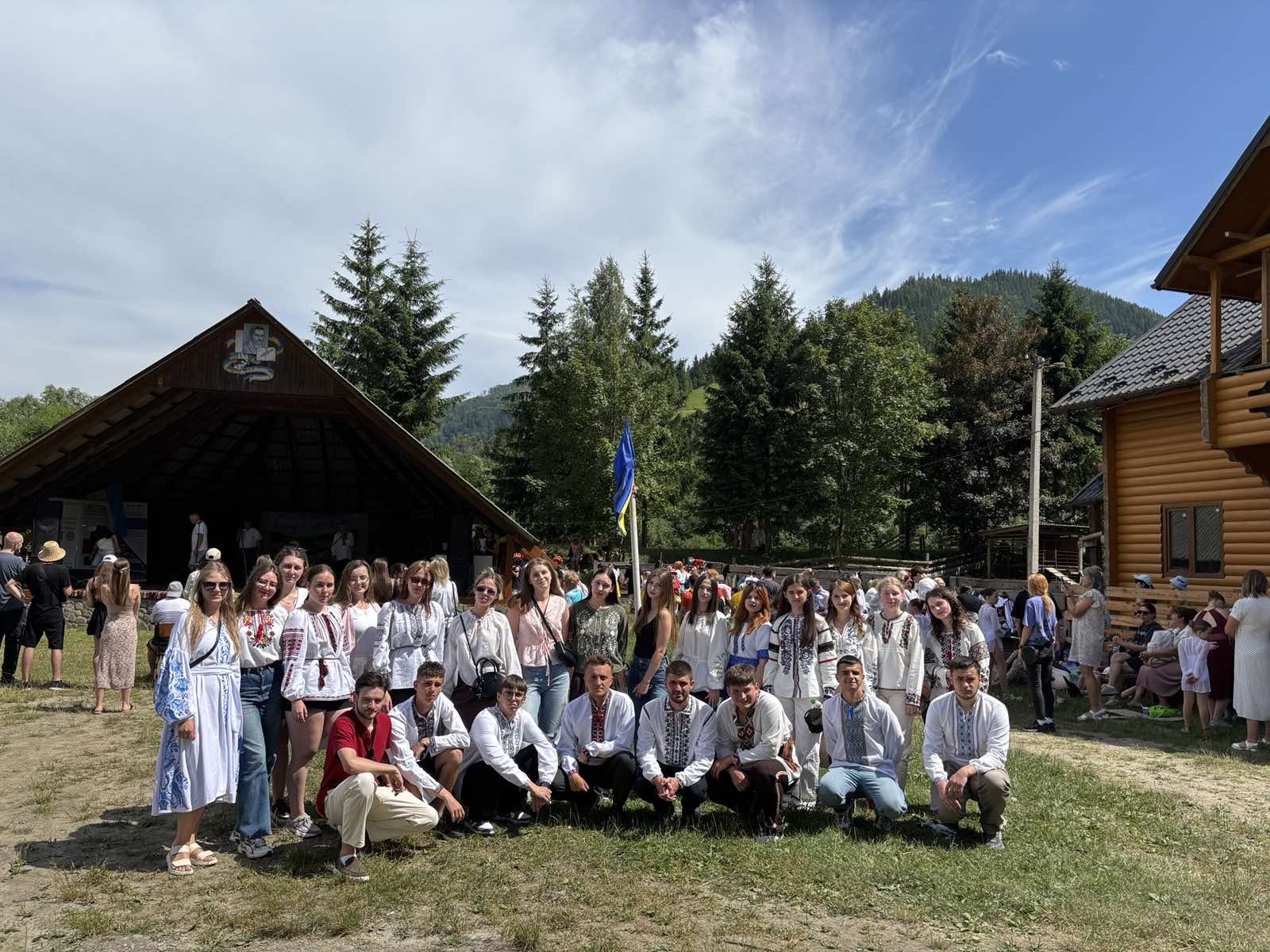
The project envisaged two student camps, and both took place: the first in the Ukrainian Carpathians in the summer of 2025, the second in Maramureș in October 2025.
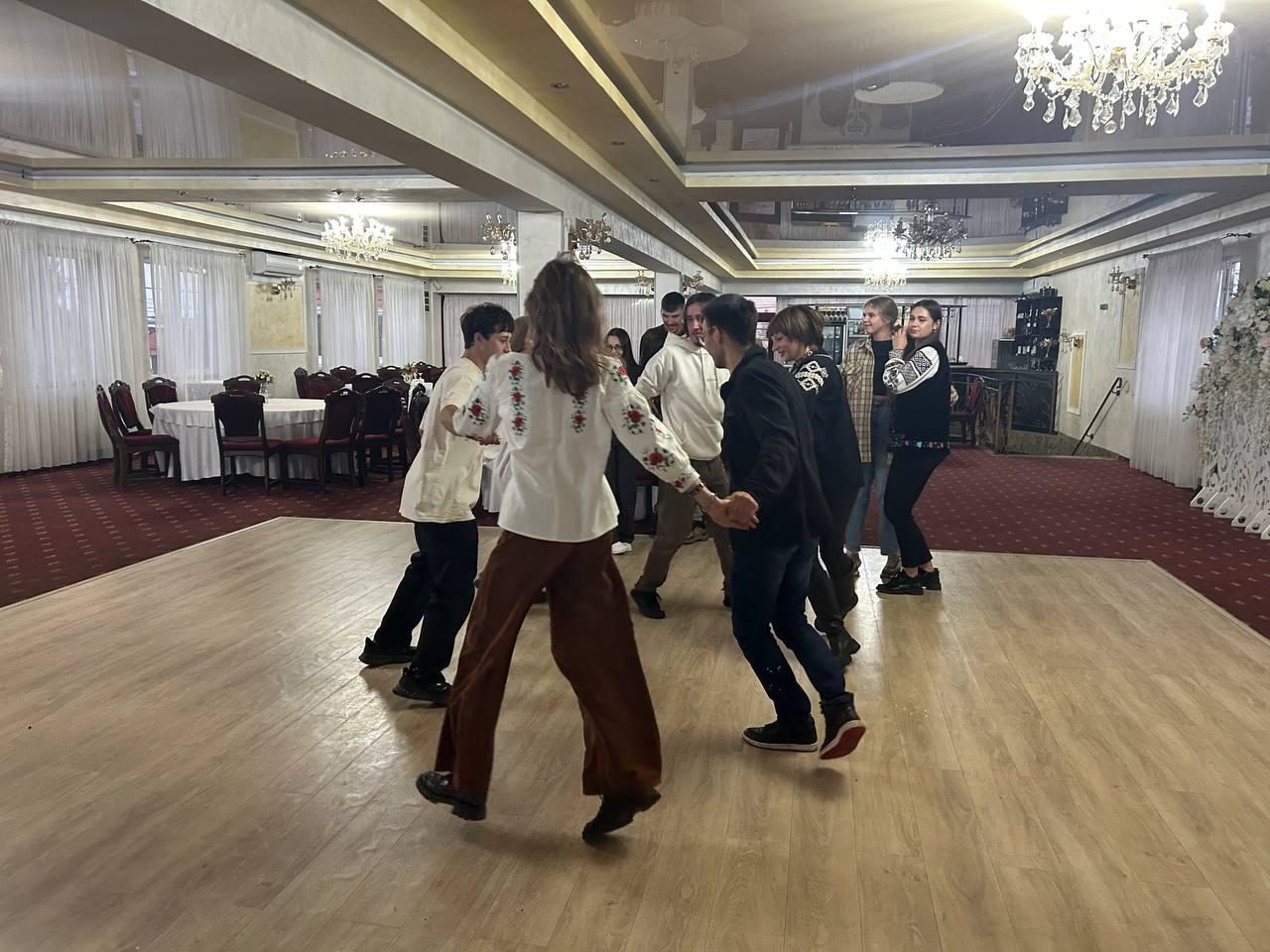
In Maramureș, students from both countries spent a week working alongside craftspeople: pottery, beadwork, pie-making in Vadu Izei and Bârsana, folk dances and traditional cooking. The week closed with an intercultural festival.
See the Maramureș camp · The Ukraine camp
The published guides
Every craft documented during the camps became an illustrated guide, freely available on the project website:
- Guide to pottery
- Guide to traditional dyeing crafts - Easter eggs and wool
- Guide to traditional cuisine
- Guide to traditional dances
- Guide to crafting traditional musical instruments
Folk traditions and holidays are documented in the electronic album, in their dedicated sections.
The virtual tours
Three heritage sites were fully scanned and turned into virtual tours you can walk through straight from the browser:
- The wooden church at the Village Museum, Baia Mare
- The Butchers' Bastion, Baia Mare
- Muzeul Acasă, Tăuții-Măgherăuș
The scans underpin the virtual reality applications developed further by students and can be explored with the centre's VR headsets.
Alongside them, the project's resource catalogue gathers the photographs, videos, 3D scans and 360 material produced over the twelve months.
How it ended
The project closed with two final conferences: in Baia Mare on 23 February 2026 and in Ivano-Frankivsk on 26 February 2026. They presented the results, highlights from the camps, the digital album on the web platform, and an awards ceremony for the participants.
Project co-financed by the European Union through the Interreg HUSKROUA Programme 2021–2027. EU contribution: EUR 263,695.82 of a total budget of EUR 292,995.36.
Photo gallery
Activities
Student camp in Maramureș
A week of traditional craft workshops in Maramureș, closing with an intercultural festival: pottery, beadwork, pies, folk dances and traditional cooking.
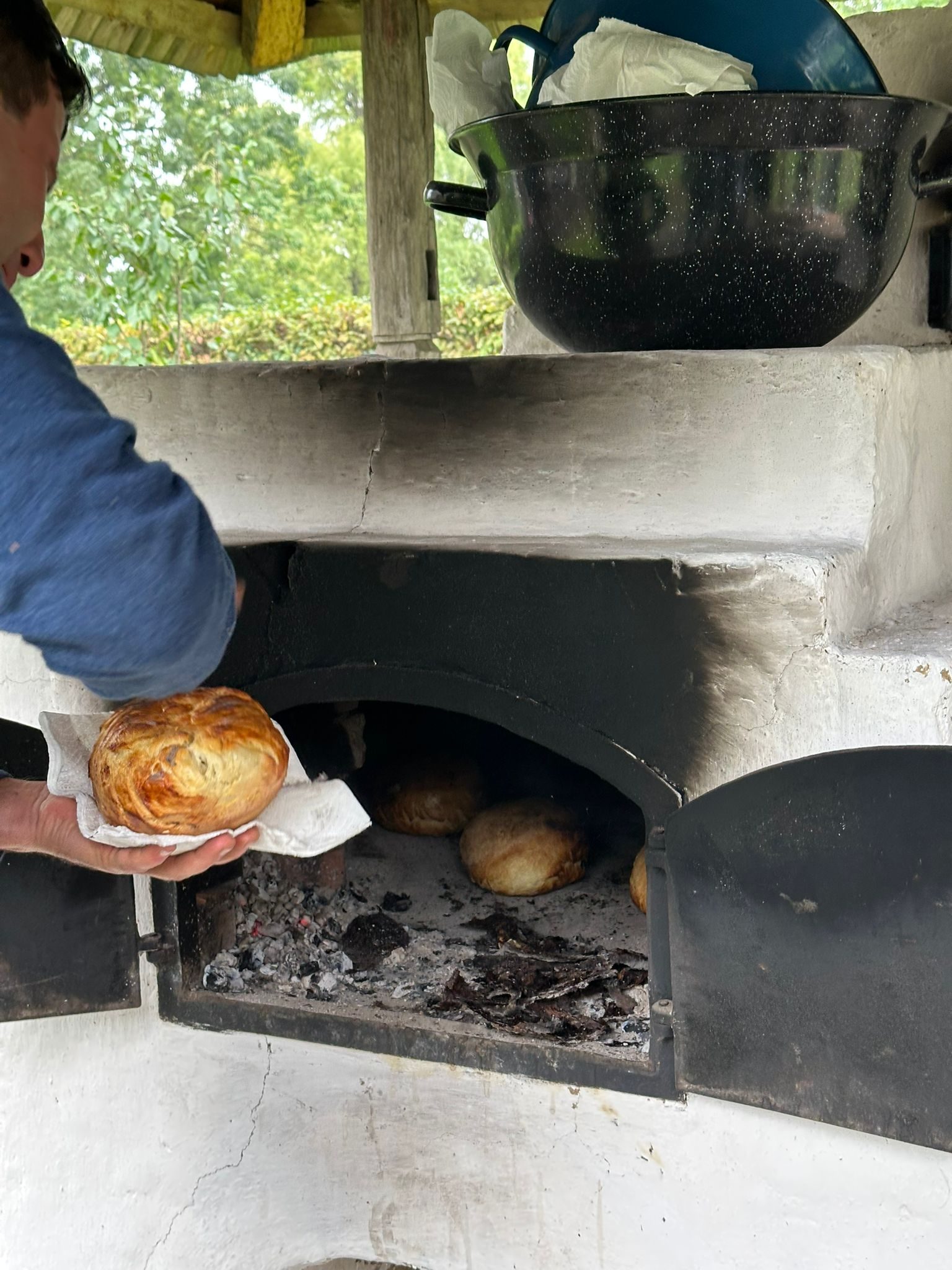
Traditional cooking workshop
Maramureș dishes cooked by the students in a wood-fired oven and over open fire, documented for the project's cuisine guide.
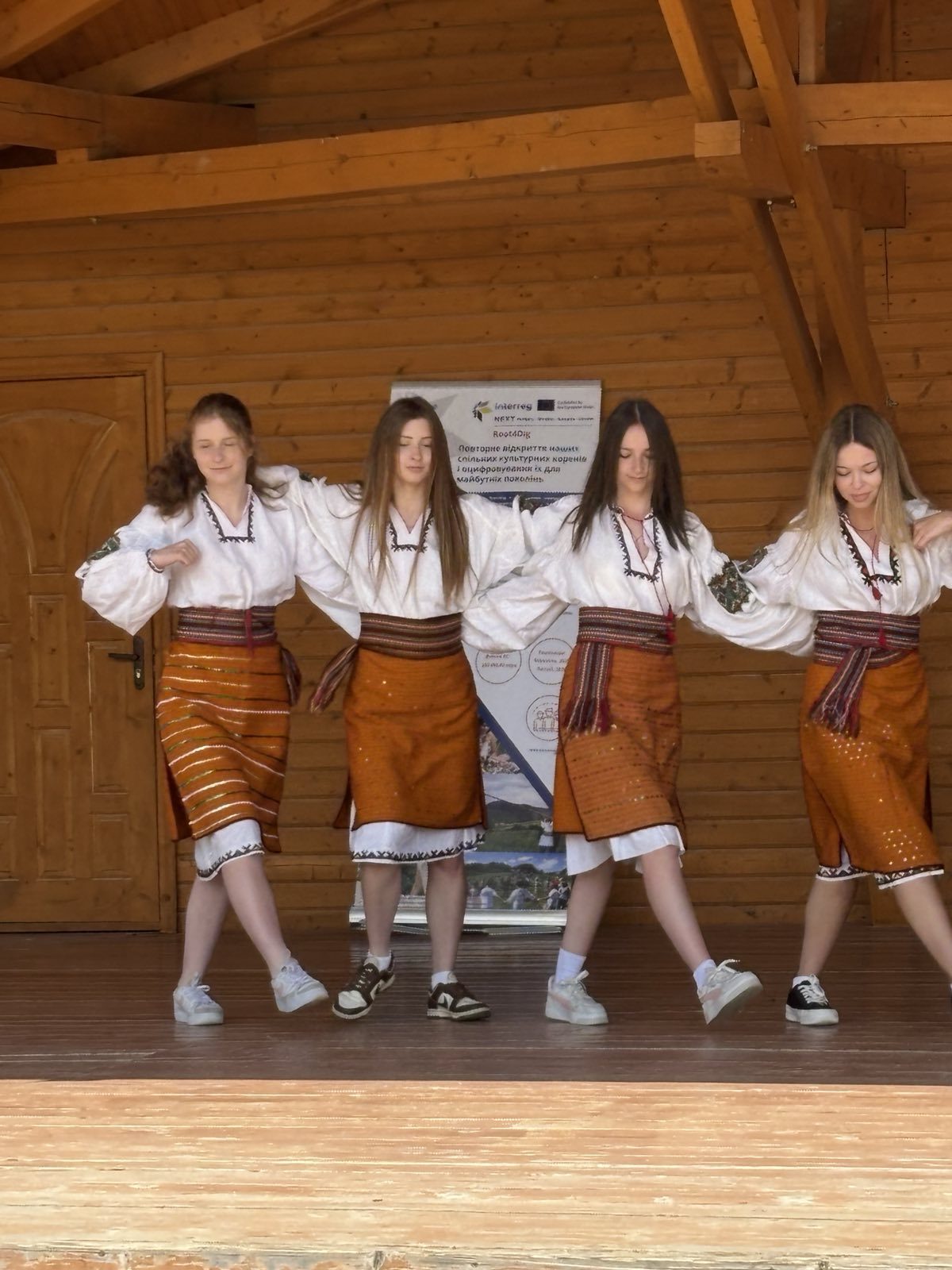
Folk dance workshops
Traditional Romanian and Ukrainian dances, taught to each other by students from both countries and performed at the intercultural festival.
Project news
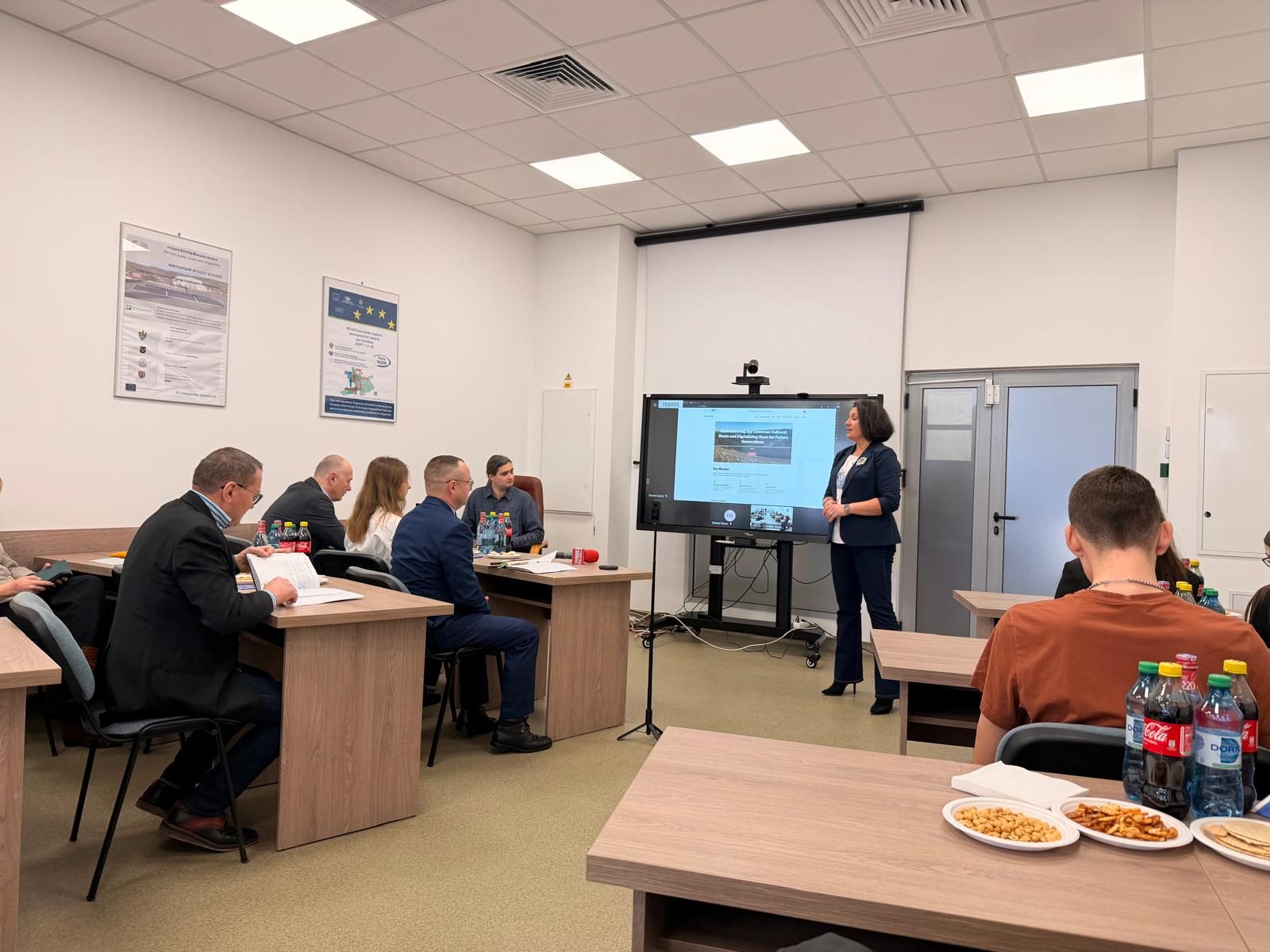
Root4Dig final conference
After two international student camps, workshops and cultural exchanges, the Root4Dig project closed with two conferences: in Baia Mare on 23 February and in Ivano-Frankivsk on 26 February 2026.
International student conference: digitalisation of Carpathian heritage
On 4-5 December 2025, at IFNTUOG, a student scientific conference on how technology and artificial intelligence preserve our shared heritage.
Day of Carpathian Culture Conference
On 24 June 2025, at the Faculty of Engineering in Baia Mare, an event dedicated to the heritage, traditions and cultural diversity of the Carpathian region.